


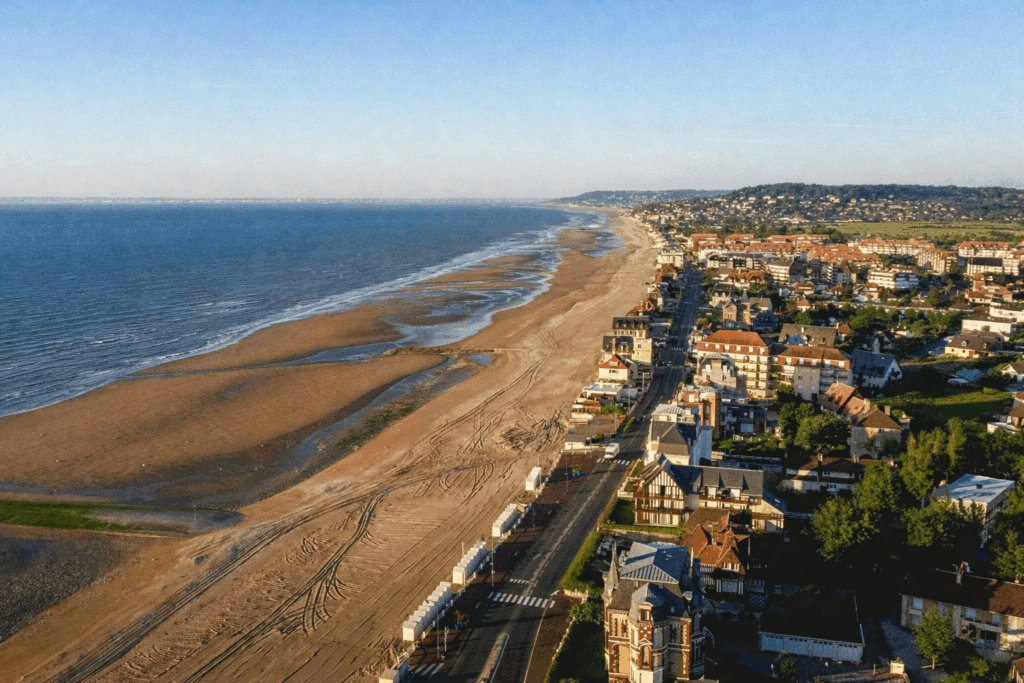
Buying near the water in Monmouth County can be exciting. Shore towns offer beautiful neighborhoods, strong lifestyle appeal, and real long term value. But for buyers, flood zone information needs to be part of the decision early in the process.
The good news is this: a property in a flood zone is not automatically a bad purchase. It does mean you need to understand the risk, the insurance costs, the elevation of the home, and what questions to ask before you move forward. In coastal New Jersey, flood risk is a real factor, and state and federal agencies provide tools buyers can use to review it before closing.
What Is a Flood Zone?
A flood zone is a mapped area that shows how likely a property is to flood. FEMA flood maps identify areas with different levels of flood risk. The most important category for buyers is the Special Flood Hazard Area, often called the SFHA. FEMA defines this as the area with a 1 percent annual chance of flooding, which is sometimes called the 100 year floodplain.
In many Monmouth County shore towns, buyers will commonly hear about Zone AE, Zone VE, AO, or Zone X. Zone AE is a high risk flood zone where FEMA provides base flood elevations. Zone VE is also high risk and is used in coastal areas where wave action is an added concern. Zone AO involves shallow flooding. Zone X is generally considered lower risk than the high risk zones, but lower risk does not mean no risk.
Why This Matters in Monmouth County Shore Towns
In shoreline communities, flood risk is not just about being directly on the ocean. It can also involve bays, rivers, tidal waterways, storm surge, and low lying streets. New Jersey’s coastal agencies note that coastal areas are under strain from flooding, coastal storms, and climate related impacts, and the state offers flood risk tools specifically for residents and buyers to review property level information.
That means buyers looking in towns along the Monmouth County shore should never assume a home is safe from flooding just because it is a few blocks from the beach or because it has not flooded during the seller’s ownership. A map review, insurance quote, and careful due diligence matter.
A Flood Zone Does Not Automatically Mean Do Not Buy
This is one of the biggest misconceptions buyers have.
Many homes in shore towns are bought and sold every year in or near mapped flood areas. What matters is understanding the full picture. Two homes on the same street can have very different flood insurance costs depending on elevation, foundation type, enclosed space below the elevated floor, and updated construction features. FEMA’s coastal flood mapping and insurance guidance make clear that map zone is only one part of the risk and insurance conversation.
For some buyers, a home in a flood zone can still be a smart purchase if the home is elevated properly, insurance is manageable, and the buyer is comfortable with the risk.
Flood Insurance Is a Big Part of the Conversation
One of the most important things buyers should know is that standard homeowners insurance usually does not cover flood damage. Flood insurance is typically a separate policy. FEMA also states that homes in high risk flood areas with mortgages from government backed lenders are required to carry flood insurance.
This is why buyers should ask for a flood insurance quote before they are deep into attorney review or contract negotiations. A home that seems affordable at first can feel very different once insurance is added to the monthly cost.
What Buyers Should Ask Before Making an Offer
A buyer does not need to become a flood expert, but there are a few smart questions that can make a huge difference.
Ask whether the property is in a FEMA flood zone. Ask whether the seller has flood insurance now and what the current premium is. Ask whether the property has ever had flood damage or water intrusion. Ask for the elevation certificate if one is available. Ask whether there is enclosed lower level space, crawl space, or mechanical equipment below the recommended elevation. And ask your lender and insurance professional what the monthly impact could be before you commit.
These questions matter because FEMA maps, insurance rules, and elevation data all play a role in how the property will function for you financially and practically.
New Jersey Buyers Have an Important Protection
New Jersey now requires flood risk disclosures in real estate sales. According to the New Jersey Department of Environmental Protection, beginning March 20, 2024, sellers must disclose specific flood risk information before a purchaser becomes obligated under the contract. That includes whether the property is in FEMA’s Special Flood Hazard Area or Moderate Flood Hazard Area, along with the seller’s actual knowledge of flood risks.
This is a major benefit for buyers, but it should not replace your own research. A disclosure is helpful, but buyers should still verify the flood map, review insurance options, and understand the property’s layout and elevation.
The Best Tools for Buyers
Two of the best places to start are FEMA’s Flood Map Service Center and New Jersey’s flood risk tools. FEMA’s Map Service Center is the official public source for flood hazard information. New Jersey also offers an address based tool that lets users search a property and view FEMA data, historical flooding, and additional risk layers.
These tools can help answer questions like:
- Is the property in a high risk zone?
- Is there a base flood elevation listed?
- Does the state show additional flood related concerns nearby?
- Should I be asking for more information before I move forward
What This Means for the Average Homebuyer
For the average buyer, flood zones should be viewed as a due diligence issue, not a reason to panic. In Monmouth County shore towns, they are simply part of buying near the coast.
A smart buyer does three things. First, confirm the map zone. Second, price out flood insurance early. Third, understand how the home sits on the lot and whether it has been elevated or improved. When you do that, you can make a much more confident decision and avoid surprises later.
Final Thoughts
If you are thinking about buying in a Monmouth County shore town, flood zones should absolutely be part of your research, but they do not have to stop your search. The key is understanding the difference between risk, insurability, and affordability.
The right home can still be the right home even in a mapped flood area. You just want to go in with clear information and the right professionals guiding you.
If you are planning a move in Monmouth County and want help understanding a home’s location, flood zone considerations, and what questions to ask before you buy, reach out to Nicole Rabbat Levine at (732) 216-4700 or realtornicolerabbat@gmail.com.